
artificial intelligence in deep red
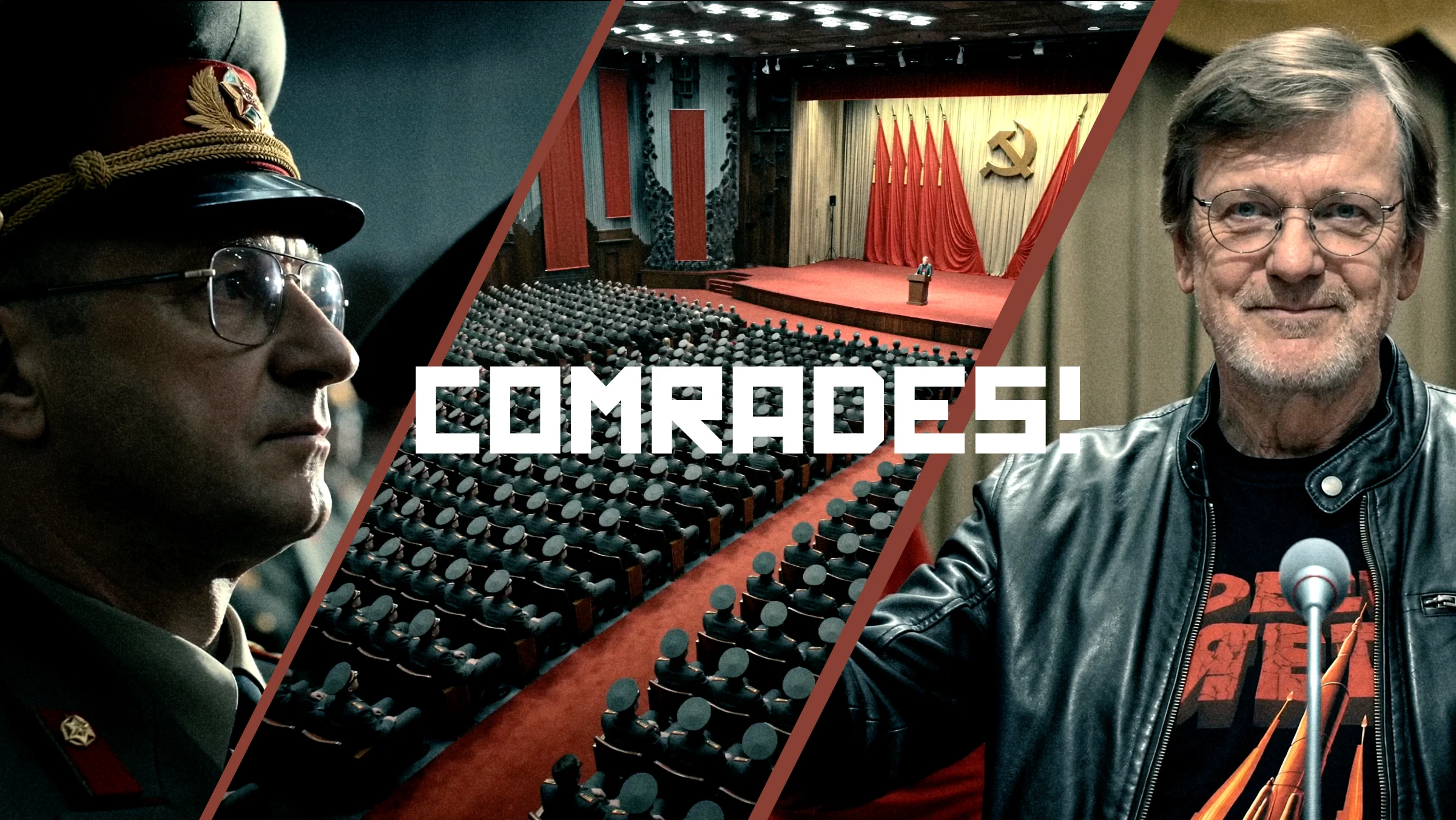
Artificial Intelligence — its emergence, its acceleration, and its growing presence in almost every field of human work — is one of the central themes of Deep Red. The machine at the heart of our story, Deep Red itself, is an Artificial Intelligence: a Soviet learning machine, born from ideology, paranoia, mathematics and chess.
It is not the same kind of AI we see in the world today. But it raises many of the same questions.
who guides the machine?
who owns its decisions?
and at what point does a tool begin
to shape the hand that uses it?
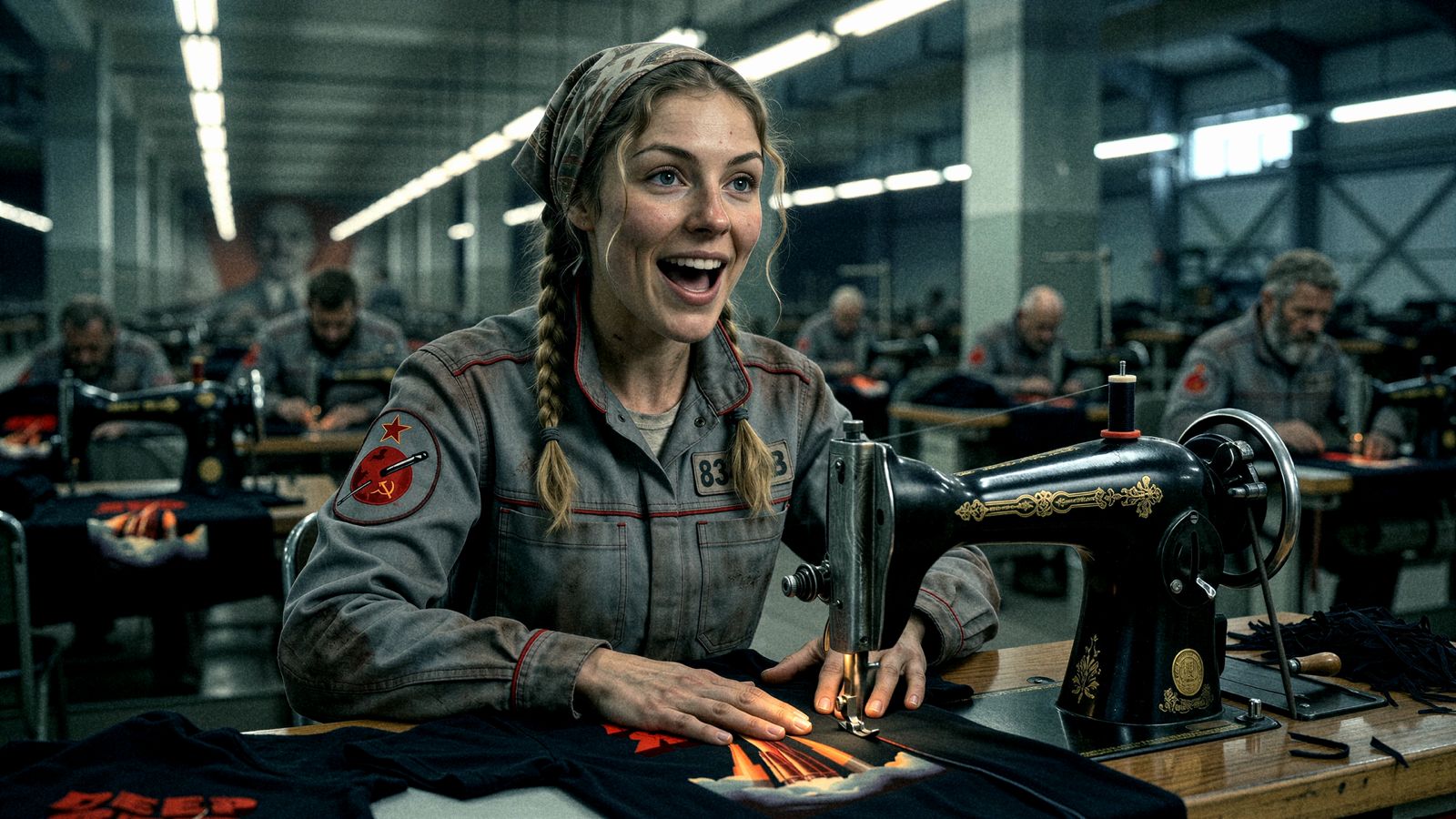
Cinema has always been transformed by technology. Colour changed film. Sound changed film. Lightweight cameras, digital editing, CGI, virtual production and real-time engines have all changed not only how films are made, but what kinds of films can be made.
Artificial Intelligence is part of that same continuum. It will not arrive in the film industry one day in the future. It is already here.
But AI is not just another camera, another lens, or another editing system. It carries profound ethical questions. How much of an AI-generated image, sound or idea has been built on the labour and imagination of other artists? When a machine imitates creativity, is the result still creativity? And if the work becomes easier to produce, what happens to the people whose lives and identities are built around making it?
These are not small questions,
and we do not pretend to have
final answers to them.
For Deep Red, our position is clear: Artificial Intelligence is a tool. A powerful tool, yes — but still a tool. It must remain under human authorship, human responsibility and human artistic command.
We are using AI because Deep Red is an ambitious independent science-fiction trilogy. Without new tools, some parts of this world would simply remain beyond our reach. But the purpose of AI in our production is not to replace filmmakers, artists, writers or designers. Its purpose is to help them build more, test faster, imagine wider and bring to screen a story that would otherwise be impossible at this scale.
To guide this work, we have created
our own production framework:
The five Commandments of artificial Intelligence
1. aI is a tool, not an author.
1. aI is a tool, not an author.
Artificial Intelligence may assist the creative process, but the vision, authorship and final responsibility must always remain with human beings.
2. the story belongs to humans.
2. the story belongs to humans.
All stories, characters, dramatic choices, world-building and final creative decisions must be created, curated and approved by human artists.
3. artists must not be replaced by machines.
3. artists must not be replaced by machines.
AI may support artists, accelerate workflows and expand possibilities, but it must never be used as an excuse to erase the role, credit or value of human creators.
4. imitation is not inspiration.
4. imitation is not inspiration.
We do not use AI to copy, mimic or reproduce the identifiable work of living artists without permission. Every visual, sound, design or text element must originate from our own creative process and be approved by the responsible artist.
5. the machine has a cost.
5. the machine has a cost.
The environmental impact of AI must be acknowledged. The production will track and compensate for the carbon footprint created by its AI-assisted workflows where reasonably possible.
With these principles, Deep Red acknowledges and employs Artificial Intelligence openly — not as a replacement for cinema, but as one of the tools used to make cinema possible.
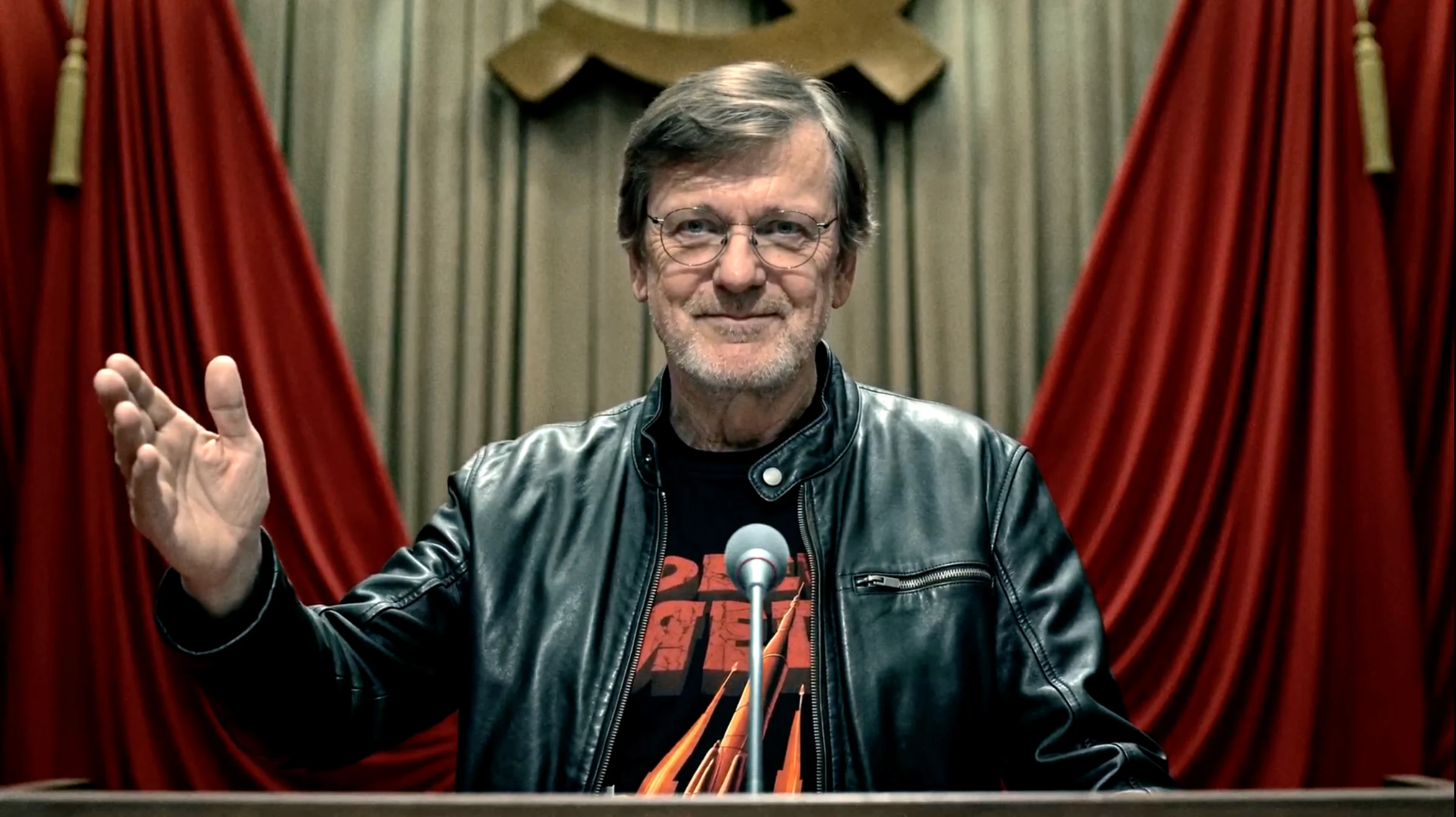
The machine may help us build the world.
But the world must still be dreamed,
judged and commanded by humans.